CTC is a financial vehicle generating life-changing revenue for a community that has been self-sufficient for centuries. Tracing back to the Great Law of Peace developed between 1142 and 1500, the Seven Generations Principle holds that every decision should account for its impact on the next seven generations. It’s a philosophy the Coharie have always lived by, and one that also shapes how CTC operates.
As CTC grows, so does the community's capacity to fund housing, education, river restoration, and the emergency programs that keep tribal members supported.

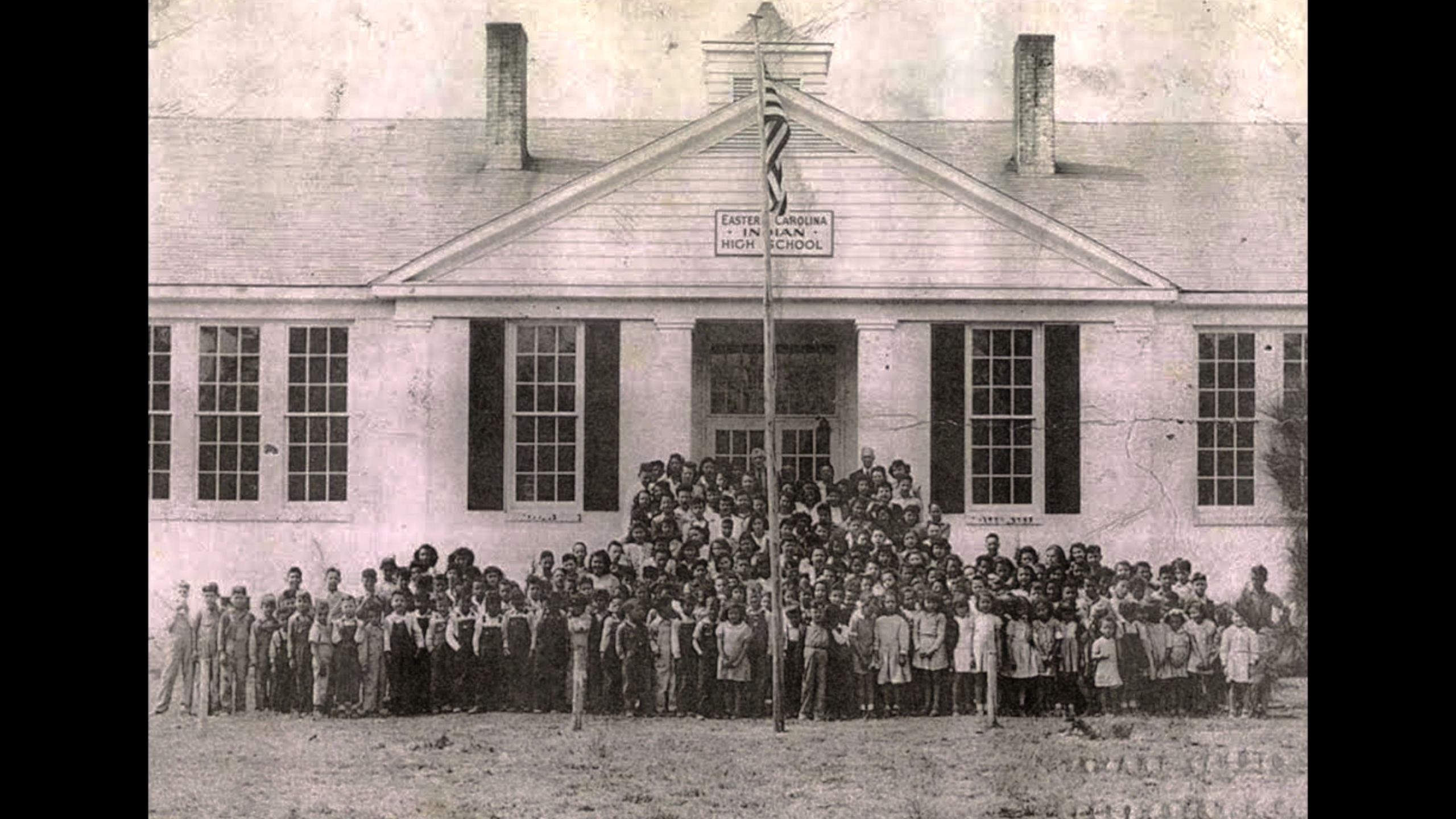
In 1859, the Coharie founded a school for tribal children educated by tribal teachers using solely tribal funds. When North Carolina stripped their school system in 1913, the tribe organized, published their written history, and won it back. The East Carolina Indian School, established in 1943, served Native students from seven surrounding counties.
That building is now the Coharie Tribal Center. The commitment to education that built it has never stopped, running through every housing program, cultural initiative, and community service the tribe provides today.
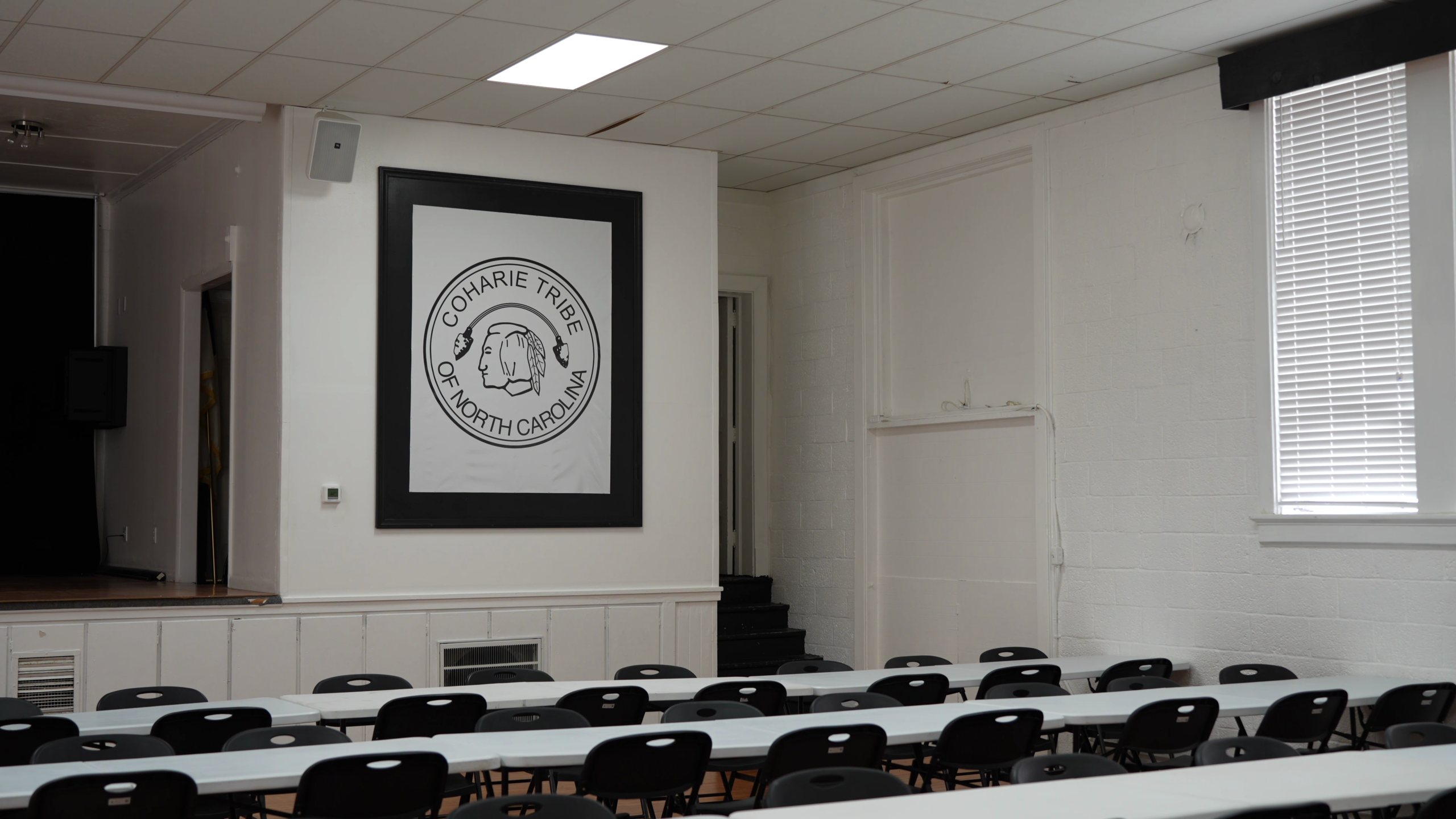
The tribe operates on about $1.5 million a year in grants and donations. The monies are used to maintain housing construction and rehabilitation, emergency rental assistance, college support for tribal members, cultural education, river programming, and community gardens that produce over 20,000 pounds of food annually for the Clinton, North Carolina community.
CTC creates a revenue stream the community controls. For a tribe that has always charted its own course, controlling its own capital is the natural next step.
Watch the video below to learn about the tribe's sorghum program.

Greg has led the Coharie Intra-Tribal Council for nearly half a century. He launched the Great Coharie River Initiative and has guided the tribe through every major challenge since. His leadership is grounded in one principle: every decision carries the weight of the generations that follow.